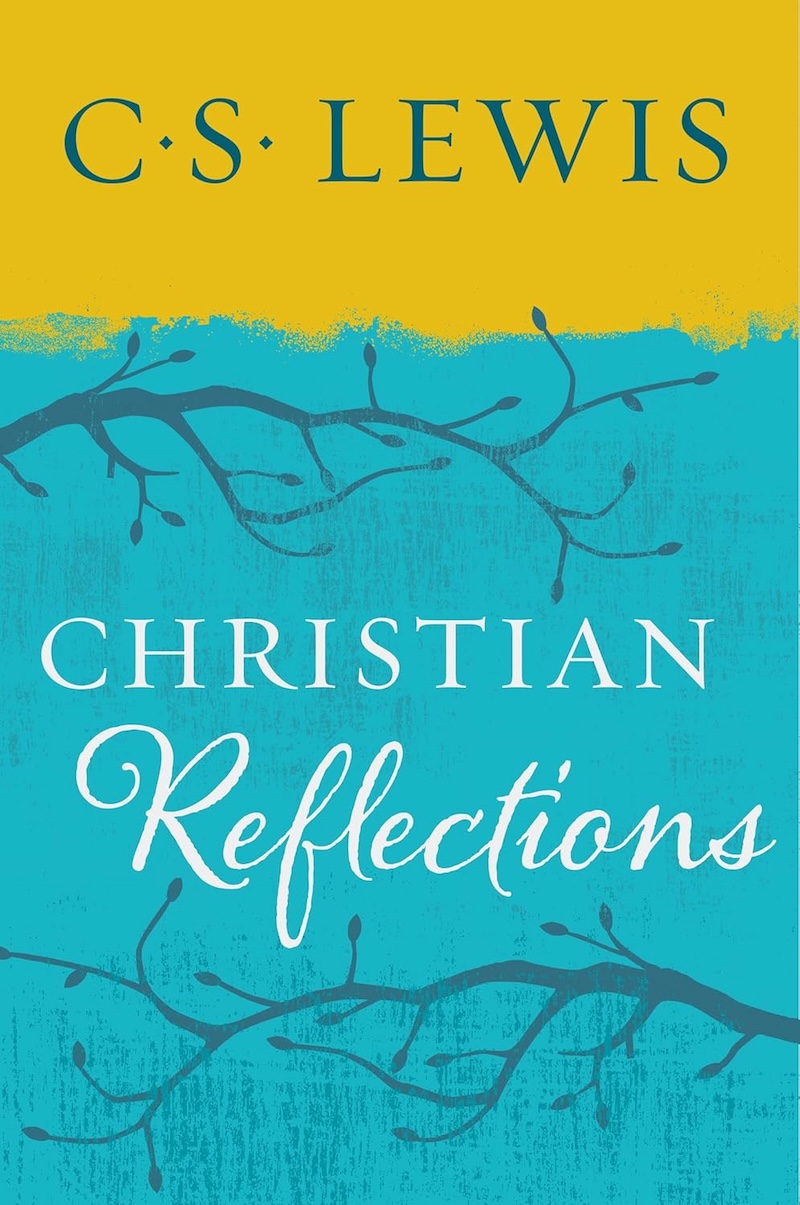
Christian Reflections by C.S. Lewis
Why read the book?
C.S. Lewis wrote Christian Reflections. This is a collection of fourteen essays published after his death and edited by Walter Hooper. The pieces were written between 1939 and 1962 and cover a wide range of topics.
Lewis explores how Christianity relates to literature and art, the proper place of culture, the meaning of prayer, the dangers of modern biblical criticism, and what it means to live in light of eternity. Key essays include Christianity and Literature, Christianity and Culture, The World's Last Night, The Language of Religion, Petitionary Prayer, and Modern Theology and Biblical Criticism.
Lewis argues that faith does not reject the world but redeems it. He shows that reason and imagination work together in the Christian life. The book helps readers think clearly about how to be a Christian in a changing culture without losing the heart of the faith.
Favourite quote
All that is not eternal is eternally out of date.
What I Loved
Christian Reflections offers deep and practical wisdom for living as a Christian today. Lewis explains that literature and art are not enemies of faith but gifts that can be used to reflect truth and beauty when kept in their proper place. He warns against the modern habit of making Christianity more “relevant” by stripping away its supernatural elements and turning it into a vague philosophy.
The book points out how pride and fear often distort our view of God and the world around us. Lewis talks about the real power of prayer and why we should still ask God for things even though He knows everything. He asks why culture matters and how a Christian should engage with books, music, and ideas without letting them become idols. The essays make you think hard about your own habits of reading, praying, and thinking. They call for courage to hold fast to eternal truths while engaging honestly with the world.
Lewis writes in his usual clear, elegant, and honest style. His voice feels both intellectually sharp and warmly pastoral. Readers gain a richer sense of how faith touches every part of life. Lewis looks at how small errors in thought lead to big losses in culture and belief. He gives real hope that the Christian story is large enough to include all that is genuinely good in human creativity and reason. The end leaves you with a stronger, more joyful conviction that eternity gives meaning to everything we do now.
Key Takeaway
Christianity engages the world fully without being of the world. Eternal truth must guide our use of culture, art, and reason so that nothing good is lost.
Enjoyed this post?
Well, you could share the post with others, follow me via Social Media or RSS Feeds and/or send me a comment via email.
Tags
Category:
Genre:
Person:
Tag:
Year: